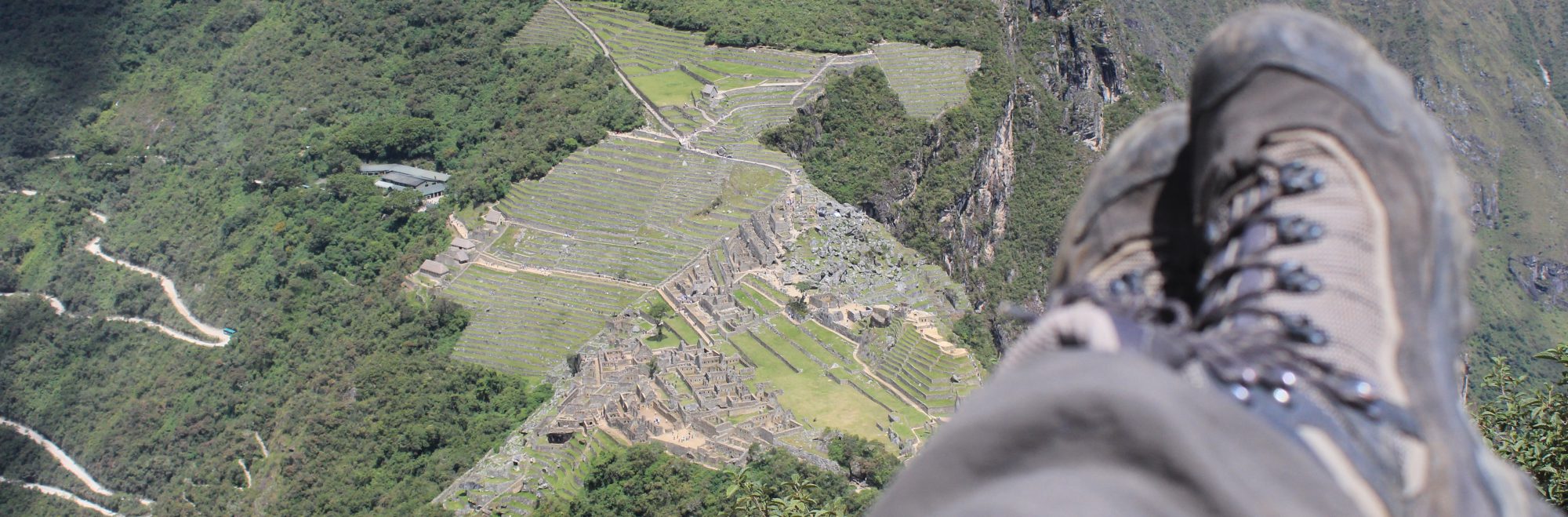

When you think about the Inca Empire the sacred city of Machu Picchu in immediately comes to mind, of course. But Peru is not the only country with important Inca cities. In fact, the shouthermost capital of the Inca Empire was located in Catamarca, Argentina.
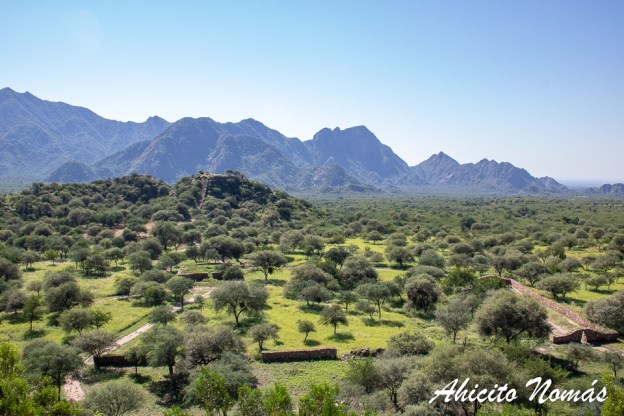
Shincal is located near Londres city, in Catamarca. His name comes from the word Shinqui, which is the bush that was covering all this area during long years, hiding it. The second part of the name comes from the river Quimivil, which is very close and was the sourse of drinking water.
In the beginning this area was a diaguita place. They were the first town living in this territory. When the Incas arrived here, the diaguitas were easily subdued and the city was annexed to the Inca empire. Shincal became an important administrative center, and in fact it was built like Machu Picchu, but smaller.
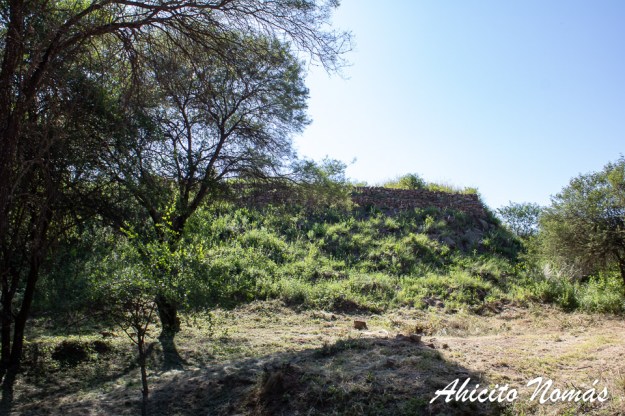
Today Shincal is an arqueological site run by the National University of La Plata. You can visit it, just paying a ticket which includes a guide who explains you all the details during one and a half hour.
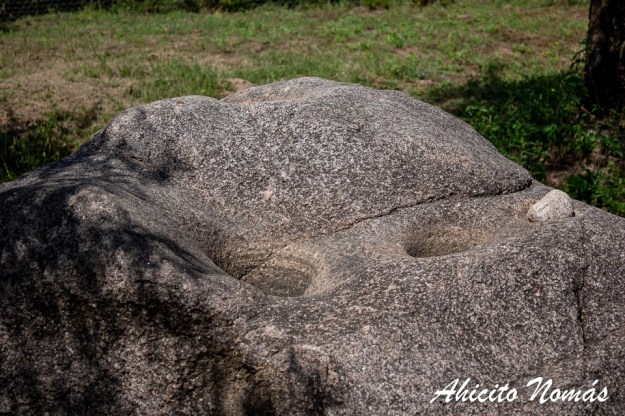
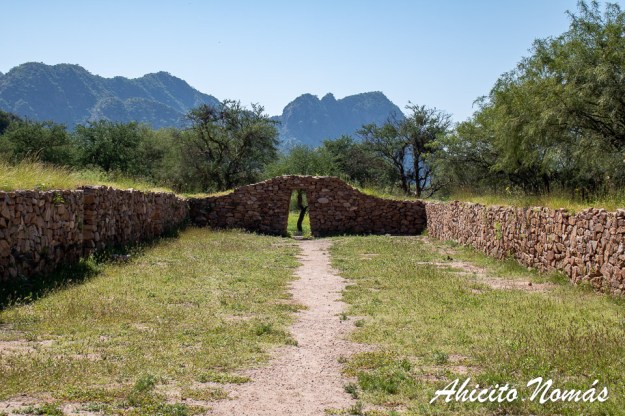
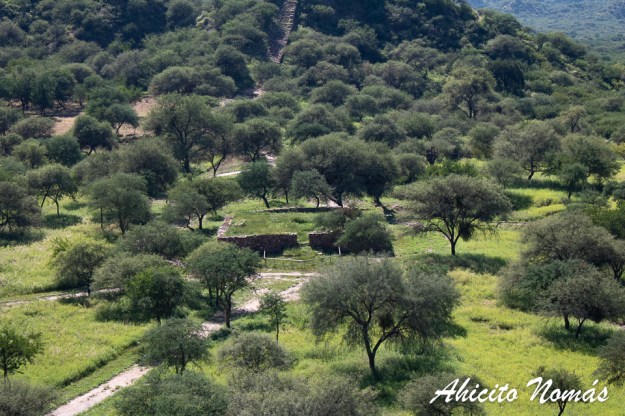
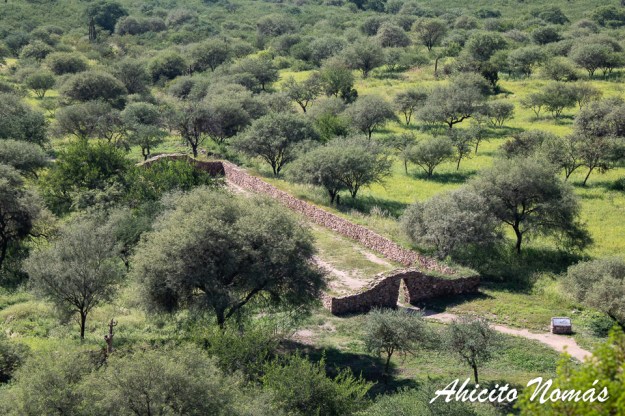
During the visit you will go upto the top of the Moon Temple, from where you are able to see a panoramic view of the city center, which is marked by a low rise wall. There are the main square, called Aukaipata, and other ceremonial buildings inside that wall. Out of the wall, there are the households.
The Ushnu is the structure located in the square center, and it is a sacred place where rituals were performed. Only community leaders where allowed to access the Ushnu. And Shincal’s Ushnu is the biggest one south of lake Titicaca, which shows the importance of this city for the Inca Empire.
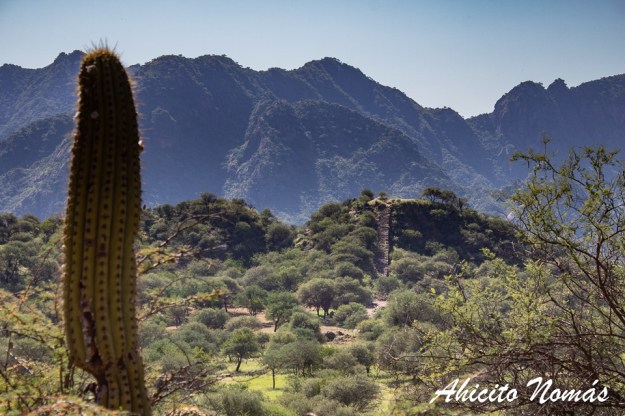
O the other side of the square, on the East side, there is the Sun Temple, which is located in the top of a hill that is accessed by climbing a steep 30-meter stairway. Unfortunately, due to safety reasons, nowadays visitors are not allowed to climb any stairway in the city.

The population lived mainly from agriculture and what was produced was divided into 3 parts. One part was for the Shincal population. A second part was reserved for celebrations. And the third part was delivered though the Inca Trail as a tax.
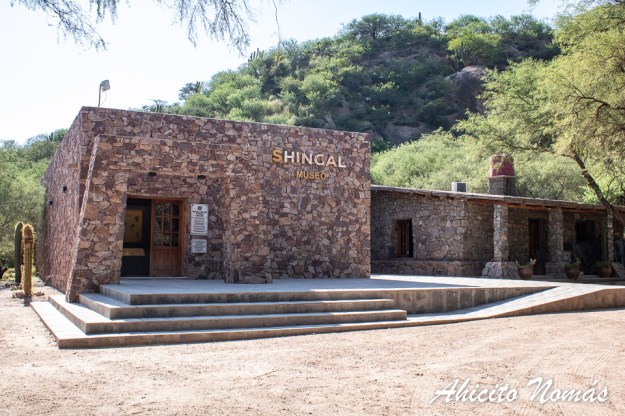
Once you have visited the city, you can also visit the small museum. There you will realize that you have only walked thought a very small portion of the city, which is really large.

Here I share a few tips to visit Shincal:
- Tours are guided and have fixed schedules which can vary with the time of the year. So better you find out which is the current timetable before you organize the visit.
- No idea if any of the guides speaks English. So, if you don’t speak Spanish, better you check if it makes sense to visit the place.
- The tour thought the city takes one and a half hour. The most advisable thing is to try to go to the first tours in the morning, or the last ones in the afternoon, when the sun is not so strong.
- Sunglases, a hat, sunscreen and fresh water are a must. Don’t forget any of them!
- When localting the place in Google Maps you may get confused. Don’t search them as «Ruinas de El Shincal» because this will show you the ruins, far away from the entrance. Instead of that, search «Shinkal de Quimivil» which will locate the museum, just next to the entrance.
I hope you enjoy this tour. If you are interested in the Inca culture, for sure you will love it!
 Ahicito Nomás